
Two houses can sit on the same street, list within a few thousand dollars of each other, share nearly identical square footage, and be worth wildly different amounts. The listing sheet won’t tell you why. It records the numbers that are easy to measure and stays silent on the ones that actually move value.
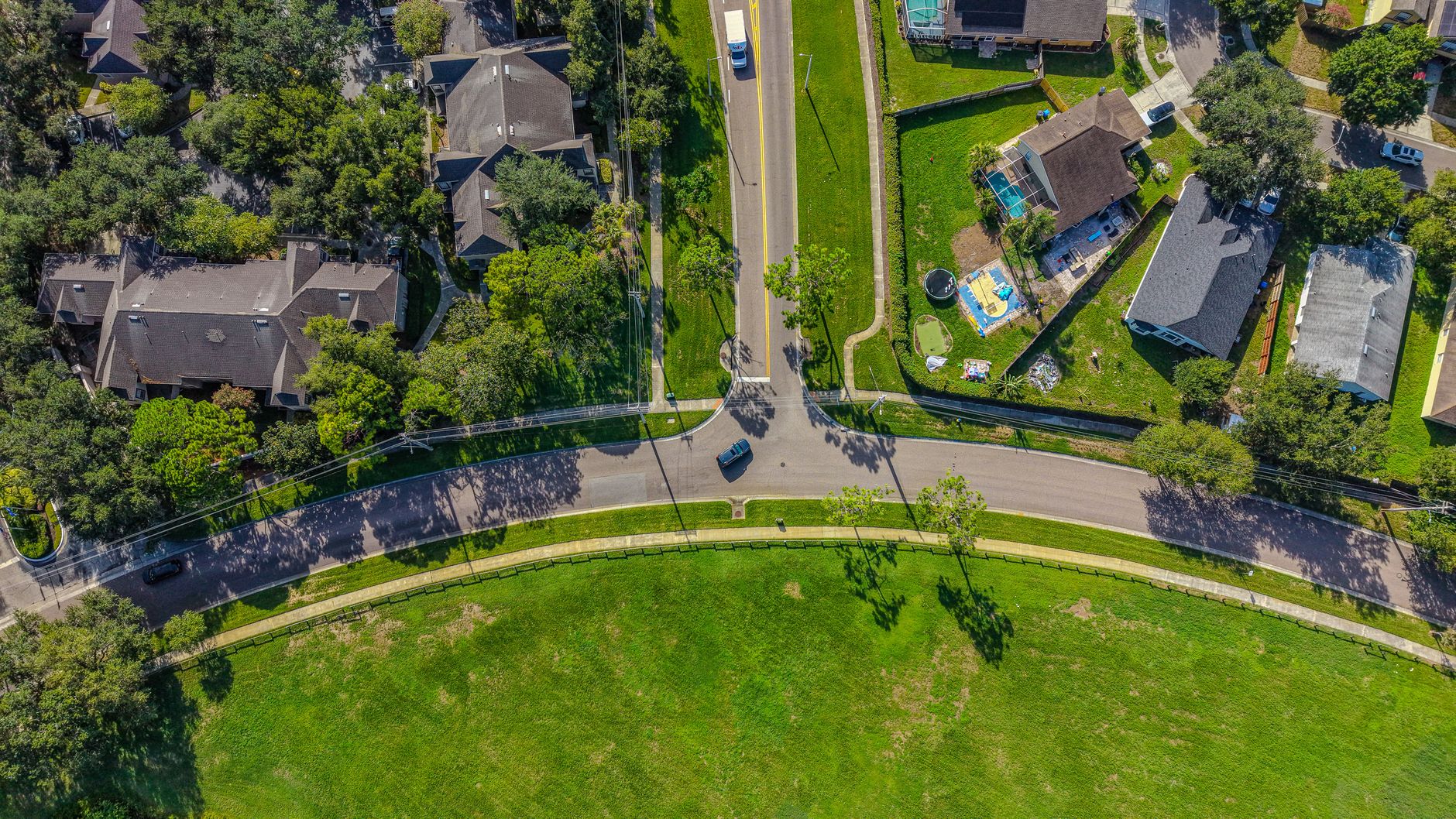
Most of what makes an older parcel here valuable or troublesome never appears in bold type at the top of a listing. It’s buried in water rights, root systems, and lot lines drawn decades before the current zoning code existed. Learning to read those things is the difference between paying for a house and paying for a property.
Why square footage is the least useful number on the listing
Square footage is popular because it’s tidy. One number, easy to compare, easy to divide into a price per foot. That tidiness is exactly the problem. It treats a covered patio, a garage conversion, and a sun-filled great room as equal contributions, and it ignores everything outside the exterior walls. On a mature parcel, the land often carries more of the value than the structure, and the structure’s number tells you nothing about the land.
The flood irrigation rights that come with certain older parcels
Some of the older lots in the area carry flood irrigation delivered through a long-standing canal system. For a modest annual fee, water arrives on a schedule and floods the yard a few inches deep, soaking established landscaping the way sprinklers never quite manage. Owners with these rights keep green lawns and thriving citrus through the hottest months at a fraction of metered-water cost. A parcel with irrigation and one without can look identical on paper and cost very different amounts to keep alive.
How a mature tree canopy changes maintenance, cooling costs, and value
A stand of tall, decades-old trees is not just scenery. Shade over a west-facing wall measurably lowers summer cooling demand, and a canopy that took forty years to grow can’t be bought back at any price by a new-build buyer. It also comes with obligations: pruning, occasional removal, root awareness near foundations and lines. Buyers who see only the beauty underestimate the upkeep; buyers who see only the upkeep underestimate what that shade is worth in July.
Grandfathered lot lines and what they let you build
Older configurations were platted under rules that no longer apply. A lot that couldn’t be created today under current minimums may still be entirely legal because it predates the change. That grandfathered status can permit a footprint, a guest structure, or a setback arrangement that a comparable new parcel could never get approved. It can also lock you into limitations. Either way, the current code alone won’t tell you the truth about a legacy lot.
The setback surprises waiting on corner and cul-de-sac properties
Corner lots often look larger and frequently sell as such, but two street frontages usually mean two front-yard setbacks, which quietly shrinks the buildable envelope. Cul-de-sac pie shapes do the opposite trick: a wide-looking backyard can taper to almost nothing where you’d actually want to add on. The usable area rarely matches the impression the shape gives from the curb.
Reading a plat map the way an appraiser does
An appraiser doesn’t read a plat for total area first. They look at easements crossing the parcel, the orientation of the buildable envelope, the frontage, and any recorded restrictions. A wide utility easement along the back can erase the very yard a buyer is paying a premium for. The plat holds the answers, but only if you read it for constraints rather than acreage.
When a bigger lot is actually the harder sell
More land isn’t automatically more value. A large parcel with heavy irrigated landscaping, aging trees, and extensive fencing carries real recurring cost, and a segment of buyers reads all of that as a burden rather than a prize. Working with an experienced realtor Litchfield Park AZ helps you tell which oversized lots command a premium and which sit longer because the maintenance scares off the very buyers who could afford the price.
Questions to ask before you fall for the acreage
Ask whether irrigation rights convey and what they cost annually. Ask which trees are the owner’s responsibility and which belong to the district or the right-of-way. Ask where the easements run and how much of the lot is genuinely buildable. Ask whether the configuration is grandfathered and what that permits. The acreage figure is where the conversation starts, never where it ends.